
Why I Am So Wise
by Friedrich Nietzsche | 
On Seeing and Noticing
by Alain de Botton | 
On Suicide
by David Hume | 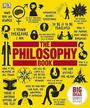
The Philosophy Book
by Will Buckingham | 
Man is the Measure
by Reuben Abel | 
Stillness Is the Key
by Ryan Holiday | 
On the Suffering of the World
by Arthur Schopenhauer | 
Intuition Pumps and Other Tools for Thinking
by Daniel C. Dennett | 
The Duck That Won the Lottery
by Julian Baggini | 
The Consolations of Philosophy
by Alain de Botton | 
The Pig That Wants to Be Eaten
by Julian Baggini | 
Philosophy: A Very Short Introduction
by Edward Craig | 
Sceptical Essays
by Bertrand Russell | 
The Silence of Animals
by John Gray | 
The Meaning of Life
by Terry Eagleton | 
The Reasons of Love
by Harry G. Frankfurt |
Mythologies
by Roland Barthes |
Minima Moralia
by Theodor W. Adorno | 
Writing and Difference
by Jacques Derrida | 
Literature and Evil
by Georges Bataille |
 One of the most salient features of our culture is that there is so much bullshit. Everyone knows this. Each of us contributes his share. But we tend to take the situation for granted. Most people are rather confident of their ability to recognize bullshit and to avoid being taken in by it. So the phenomenon has not aroused much deliberate concern. We have no clear understanding of what bullshit is, why there is so much of it, or what functions it serves. And we lack a conscientiously developed appreciation of what it means to us. In other words, as Harry Frankfurt writes, "we have no theory."