
Pragmatism
by William James | 
Religion for Atheists
by Alain de Botton | 
Breaking the Spell
by Daniel C. Dennett | 
Religion Explained
by Pascal Boyer | 
The Secular Mind
by Robert Coles | 
Varieties of Religious Experience
by William James | 
Maps of Meaning
by Jordan B. Peterson | 
Simulations of God
by John C. Lilly | 
The Evolution of God
by Robert Wright | 
The Meaning of Truth
by William James | 
Beyond Good and Evil
by Friedrich Nietzsche | 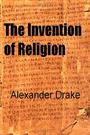
The Invention of Religion
by Alexander Drake | 
The History of Western Philosophy
by Bertrand Russell | 
Why Does the World Exist?
by Jim Holt | 
The Structure of Scientific Revolutions
by Thomas S. Kuhn | 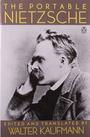
The Portable Nietzsche
by Friedrich Nietzsche | 
Prometheus Rising
by Robert Anton Wilson | 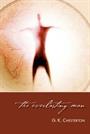
The Everlasting Man
by G. K. Chesterton | 
On a Certain Blindness in Human Beings
by William James | 
Man's Search for Ultimate Meaning
by Viktor E. Frankl |
 "I am neither a theologian, nor a scholar learned in the history of religions, nor an anthropologist. Psychology is the only branch of learning in which I am particularly versed. To the psychologist the religious propensities of man must be at least as interesting as any other of the facts pertaining to his mental constitution. It would seem, therefore, as a psychologist, the natural thing for me would be to invite you to a descriptive survey of those religious propensities."